Millions search for alternatives to tobacco each year, and CBD has emerged as a potential solution. But is cannabidiol actually better than tobacco, or just different? Recent scientific studies reveal surprising findings about CBD’s role in smoking cessation and its own health implications when compared directly to tobacco.
The Fundamental Differences Between CBD and Tobacco
What Makes Tobacco Harmful
Tobacco’s dangers stem from its complex chemical composition and addictive properties. Tobacco smoke contains over 7,000 chemicals, with around 60 known carcinogens. The primary addictive component, nicotine, creates physical dependence by stimulating dopamine release in the brain’s reward pathways.
Tobacco is probably responsible for more deaths on the planet than any other herb, with tobacco smoking causing over 3 million deaths per year worldwide. These deaths result from lung cancer, heart disease, stroke, and numerous other conditions directly linked to tobacco use.
The combustion process itself compounds these risks. When tobacco burns, it produces carbon monoxide, tar, and numerous toxic compounds that damage respiratory tissues and cardiovascular systems over time.
Understanding CBD Hemp Products
CBD, or cannabidiol, represents a fundamentally different substance. Unlike tobacco, CBD is non-psychoactive, meaning it doesn’t produce the “high” associated with cannabis or the stimulation associated with nicotine.
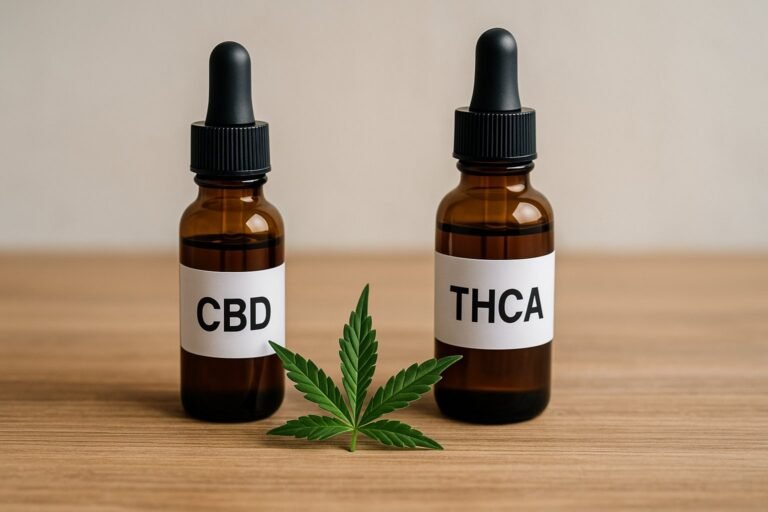
Hemp, or CBD flower is nicotine-free and low in THC, which makes it a better alternative for smoking than traditional cigarettes. Legal hemp products must contain less than 0.3% THC, as defined by federal law.
CBD interacts with the body’s endocannabinoid system, a network of receptors involved in regulating pain, mood, sleep, and immune function. This interaction occurs without creating addiction or dependence, setting it apart from nicotine’s mechanism of action.
Scientific Evidence: CBD vs Tobacco Health Effects
Recent Research on CBD and Nicotine Metabolism
Groundbreaking research from Washington State University has revealed how CBD might help tobacco users. CBD inhibits the metabolism of nicotine by affecting the CYP2A6 enzyme, which metabolizes more than 70% of nicotine in most tobacco users.
The impact of CBD on this particular enzyme appeared quite strong, inhibiting its activity by 50% at relatively low CBD concentrations. This means CBD users might need fewer cigarettes to maintain the same nicotine levels, potentially reducing overall tobacco consumption.
Philip Lazarus, WSU professor of pharmaceutical sciences, explains: “The whole mission is to decrease harm from smoking, which is not from the nicotine per se, but all the carcinogens and other chemicals that are in tobacco smoke”.
Smoking Cessation Studies
The most compelling evidence comes from controlled clinical trials. In a randomized, double-blind study, participants using CBD inhalers reduced their cigarette consumption by approximately 40% over one week, while placebo users showed no reduction.
Results also indicated some maintenance of this effect at follow-up, suggesting CBD’s benefits may extend beyond the immediate treatment period.
Recent animal studies support these findings. Research published in 2024 found that CBD significantly decreased nicotine self-administration in mice and attenuated withdrawal symptoms, including reducing somatic signs of withdrawal and preventing nicotine-induced hyperalgesia.
Lung Health Considerations
However, the method of consumption matters significantly. A 2023 study from Roswell Park Comprehensive Cancer Center found that vaping CBD causes more severe lung damage than vaping nicotine.
The study showed that inhalation of CBD aerosols resulted in greater inflammatory changes, higher oxidative stress in the lung, and significantly lower numbers of protective pulmonary macrophages compared to nicotine aerosols.
This research highlights that while CBD may help with tobacco cessation, smoking or vaping CBD isn’t automatically safer than other nicotine delivery methods.
CBD as a Tobacco Cessation Tool: What the Evidence Shows
How CBD May Help Tobacco Users
CBD appears to work through multiple mechanisms to reduce tobacco use. Studies show that CBD reduces the salience and pleasantness of cigarette cues after overnight abstinence, essentially making cigarettes less appealing to dependent smokers.
This effect occurs through reducing attentional bias to smoking cues, meaning smokers become less automatically drawn to cigarette-related stimuli. The anxiolytic properties of CBD may also help manage withdrawal symptoms, as anxiety is a primary component of tobacco withdrawal.
Research suggests CBD works by normalizing the endocannabinoid system. Regular CBD dosing raises depleted levels of anandamide, the main neurotransmitter of the endocannabinoid system, which may help regulate the dopamine pathways involved in addiction.
Limitations and Realistic Expectations
Current research has important limitations. Most studies involve small sample sizes and short treatment periods. Only single doses of CBD have been tested in human studies, and more research is needed to investigate repeated dosing and optimal dose ranges.
Importantly, CBD did not reduce actual tobacco craving or withdrawal symptoms in human studies, despite reducing cigarette consumption. This suggests CBD works through specific mechanisms rather than addressing all aspects of tobacco addiction.
Individual responses vary significantly. While some participants in studies experienced dramatic reductions in smoking, others showed minimal response. Genetic factors, particularly variations in nicotine metabolism enzymes, likely influence CBD’s effectiveness.
Consumption Methods Matter: Smoking vs Alternatives
The Problem with Smoking Anything
The act of combustion creates health risks regardless of the substance burned. Research examining hemp cigarettes found they contain similar levels of harmful carbonyl compounds, including formaldehyde, acrolein, and crotonaldehyde, compared to tobacco cigarettes.
Despite lower levels of some carbonyls in hemp cigarettes, they are still at biologically significant levels that can cause oxidative stress and cell death. The high temperatures involved in smoking any plant material produce toxic pyrolysis products.
Even pure cannabis smoke poses risks. While cannabis smoke contains cannabinoids that may have some protective effects, both cannabis and tobacco smoke contain hot gases and irritating particulate matter that can damage respiratory tissues.
Safer CBD Consumption Options
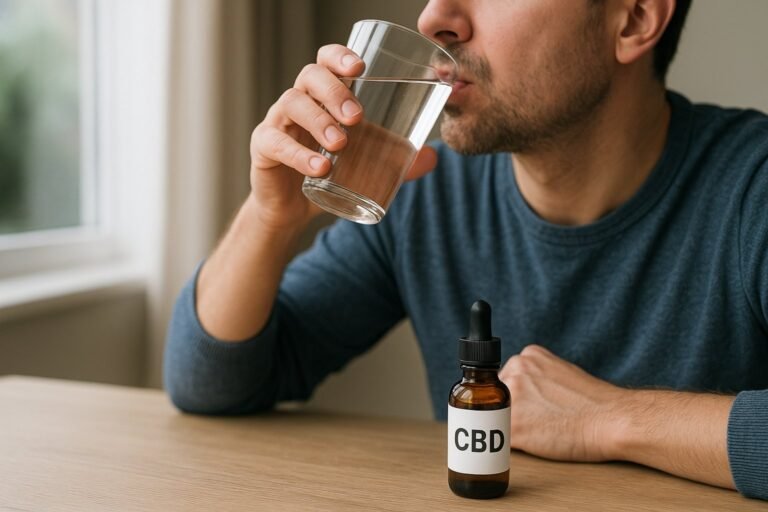
For those considering CBD as a tobacco alternative, non-combustible methods offer significant safety advantages. Sublingual oils and tinctures provide rapid absorption without respiratory risks.
Controlled-temperature vaporization heats CBD to release active compounds without reaching combustion temperatures. Vaporization typically occurs between 160°C and 220°C, preventing the formation of toxic combustion byproducts.
Edible forms like capsules or gummies eliminate inhalation risks entirely, though they take longer to produce effects. These methods allow users to experience CBD’s potential benefits without exposing their lungs to harmful compounds.
Legal and Safety Considerations
Current Legal Status
The 2018 Farm Bill legalized hemp-derived CBD products containing less than 0.3% THC at the federal level. However, state laws vary, and some states maintain restrictions on CBD products.
The FDA does not regulate most CBD products, meaning they could include other ingredients such as THC, pesticides, heavy metals, bacteria, or fungi. Studies have found that more than 25% of CBD products contained less CBD than listed on labels, and some contained undisclosed THC.
This regulatory gap creates quality control challenges. Consumers should seek products with third-party lab testing and certificates of analysis to ensure purity and potency.
Potential Risks and Side Effects
CBD generally has a favorable safety profile, but it’s not risk-free. Common side effects include drowsiness, reduced appetite, diarrhea, and dry mouth.
More concerning are potential drug interactions. CBD may interact with certain medications by affecting liver enzymes responsible for drug metabolism. This is particularly important for people taking blood thinners, seizure medications, or other drugs with narrow therapeutic windows.
About 30% of CBD users report side effects, often related to high doses. Starting with low doses and gradually adjusting can minimize these risks.
Making an Informed Decision
When CBD Might Be Worth Considering
CBD shows the most promise for people already using tobacco who want to quit or reduce their consumption. Research suggests CBD may help manage unpleasant withdrawal symptoms from smoking cessation, particularly when combined with other evidence-based cessation methods.
The strongest evidence supports using CBD alongside traditional cessation approaches like behavioral counseling or nicotine replacement therapy, rather than as a standalone treatment. According to the American Cancer Society, only 4-7% of people successfully quit smoking without assistance, while around 25% using medication stay smoke-free for over 6 months.
Healthcare provider guidance is essential, especially for individuals taking medications or with underlying health conditions. A medical professional can assess potential interactions and monitor progress safely.
When It’s Not the Right Choice
CBD may not be appropriate for everyone. People with liver conditions should exercise particular caution due to potential hepatic effects. Those taking multiple medications face higher interaction risks.
For individuals who prefer proven cessation methods like nicotine replacement therapy or prescription medications, these remain first-line options with more extensive research support.
Pregnant or breastfeeding women should avoid CBD products due to insufficient safety data. Similarly, people with certain psychiatric conditions may need to avoid CBD or use it only under close medical supervision.
Current evidence suggests CBD’s value lies in helping people reduce or quit tobacco use rather than serving as a direct replacement. For many people, CBD has been a saving alternative that has allowed them to quit smoking for good. However, this occurs primarily when CBD is used strategically as part of a comprehensive cessation plan, not when it’s smoked as a tobacco substitute.
The key insight from recent research is that method matters as much as substance. While CBD may offer unique benefits for tobacco cessation, smoking CBD doesn’t automatically make it “better” than tobacco from a respiratory health perspective. The safest approach involves using non-combustible CBD products under medical guidance, combined with proven cessation strategies, to maximize the chances of successfully breaking free from tobacco dependence.